
In 2026, localization has quietly shifted from a "content adaptation" task to a growth, risk, and efficiency lever. Global brands aren't treating localization as translation anymore. They're treating it as infrastructure, integrated into product pipelines, compliance workflows, and customer experience orchestration.
And the real unlock? Language AI that closes the gap between strategy crafted in English and execution delivered in dozens of languages, whether that's English to Assamese translation for Northeast India, Mandarin for the mainland market, or Arabic for the GCC ecosystem.
While many companies still treat localization as an afterthought, top-performing brands have built cross-functional models with automation, governance, and near-real-time feedback loops. This blog breaks down what they're doing, and what you probably aren't, using analytical lenses from Deloitte, McKinsey, and HBR thinking.
A decade ago, localization was a cost center. Then globalization accelerated, regulations tightened, and digital ecosystems became language-first.
A 2023 Deloitte Insights study observed that businesses increasingly view language accessibility as "a driver of participation, trust, and equitable digital adoption". That insight has only deepened. The link between localized experiences and revenue is now measured rather than hypothesized.
McKinsey similarly noted that companies outpacing competitors in digital adoption "operate with tighter cycles between strategy, build, and scale, often compressing traditional roadmaps by 60–80%". That compression forces language adaptation to keep pace.
Global brands, especially in consumer tech, BFSI, and retail, learned a painful lesson: you cannot grow omnichannel engagement if users cannot understand the interface or the policy behind it.
Localization became infrastructure, not an afterthought.
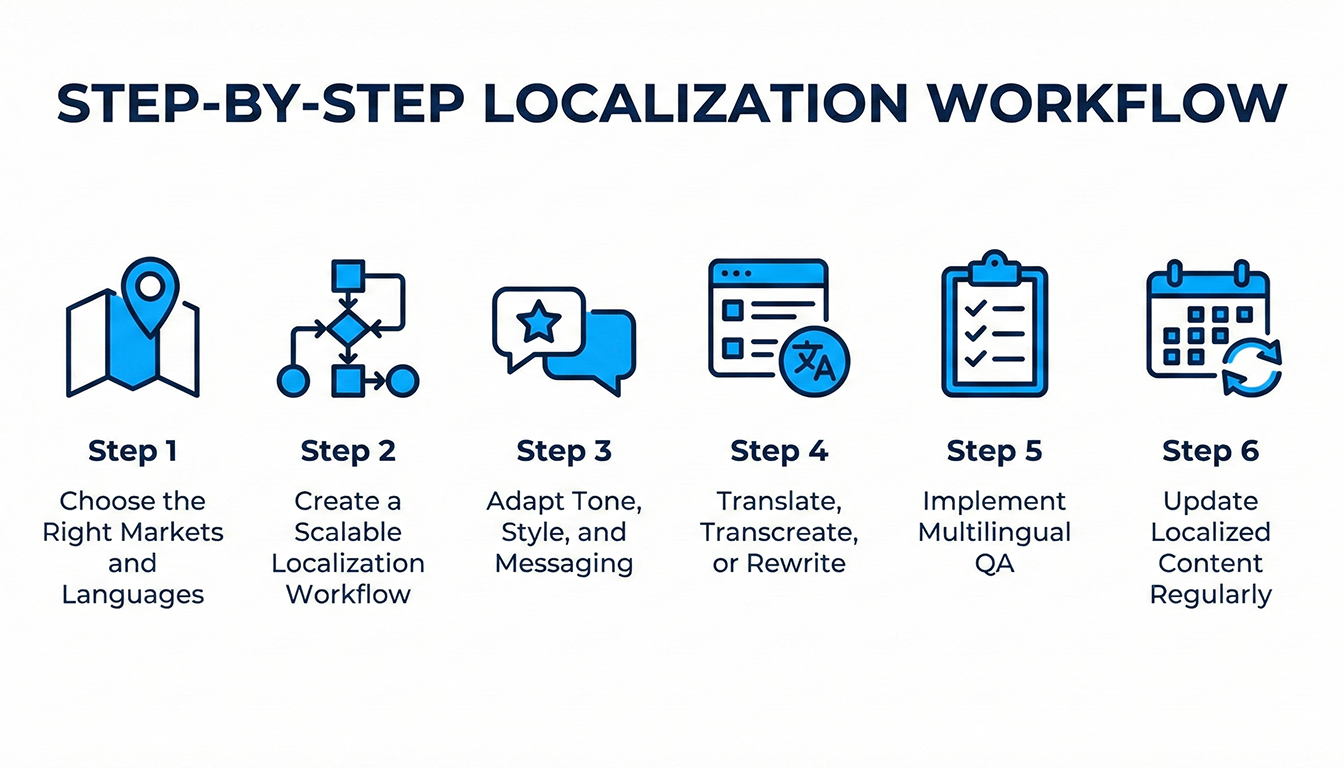
7 Patterns for 2026 Quietly Shaping the Winners and Laggards
1. Localization Governance Moves to the Center, Not the Edge
High-performing global organizations now treat localization the way they treat cybersecurity or compliance, as a shared responsibility model.
Using a loose adaptation of McKinsey's 7S framework, leaders realigned:
- Structure → Centralized language governance with decentralized execution.
- Systems → Unified translation memories, quality baselines, AI review layers.
- Skills → Teams trained to evaluate linguistic accuracy, cultural relevance, and regulatory alignment.
- Style → Leadership framing language accessibility as a customer promise, not a department task.
Most organizations, however, still run language adaptation through scattered vendors, folder-based workflows, and manual QA. The gap is widening.
2. AI-First Localization Pipelines Replace "Translate and Upload" Models
By 2026, brands in the top 25% have added language AI to their primary development cycle.
For example, instead of translating support information from English to Assamese by hand at the end of the sprint, top brands use AI-driven translation straight in the CMS → QA review → publish pipeline.
This change cuts costs, but more crucially, it eliminates the latency that impedes multilingual growth.
Some Indian enterprises are using partners like Devnagri's language AI to fast-track regulatory translations, banking workflows, and regional app experiences, especially as they scale into Tier-2 and Tier-3 markets.
3. Compliance-Driven Localization Becomes a Board-Level Concern
Regulations are getting stricter all the time, whether you're dealing with the EU's consumer protection guidelines, India's digital public infrastructure standards, or the Middle East's rules that are more stringent on customer disclosure.
- Clarity in the native language
- Policies that are ready for users
- Being able to trace translated artifacts
Leaders now maintain audit-ready localization trails and version control, which late adopters typically struggle with until regulators demand it.
4. The New Battlefront: Micro-Local Experiences
One of the subtler shifts: global brands are not stopping at language. They're adapting tone, cultural framing, examples, and micro-interactions.
A CX head in a Southeast Asian fintech recently shared (off the record) that a small change, adapting examples in onboarding tutorials to reflect local spending categories, increased completion rates by double digits.
Localization is no longer something you "apply." It's something you design with.
5. Search Behavior Is Fragmenting, and Brands Are Responding
Across Asia, Africa, and Latin America, users search in hybrid patterns, English mixed with native languages. This has fractured discovery pathways.
Organizations winning in 2026 use multilingual SEO frameworks:
- Multilingual knowledge graphs
- Region-specific metadata strategies
- Hybrid keyword models ("loan in Assamese," "EMI গণনা" etc.)
Companies still relying on English-only content are becoming invisible in large segments of emerging markets.
6. The New Measurement Playbook: From Cost Metrics to Growth Metrics
In 2026, organizations measure localization in terms executives understand:
- Conversion lift per language
- Regulatory error reduction
- Support cost deflection
- Feature adoption by region
- Average revenue per localized user (ARPLU)
It's no longer "How many words did we translate?" It's "How much did localized content grow the funnel or mitigate regulatory risk?"
7. Leaders Industrialize, Laggards Patchwork
Top brands operate localization like manufacturing:
- Standardized quality bars
- Automated workflows
- Policy engines
- Predictive QA
- Integrated human-in-the-loop refinements
Late adopters still move files around in email threads. The difference shows up in speed, cost, and, painfully, customer trust.
A Simpler Way to Think About Localization in 2026
Over the past few years, one pattern has become clear: most language mistakes inside products don't come from bad translations, they come from not knowing where language actually shapes the user journey.
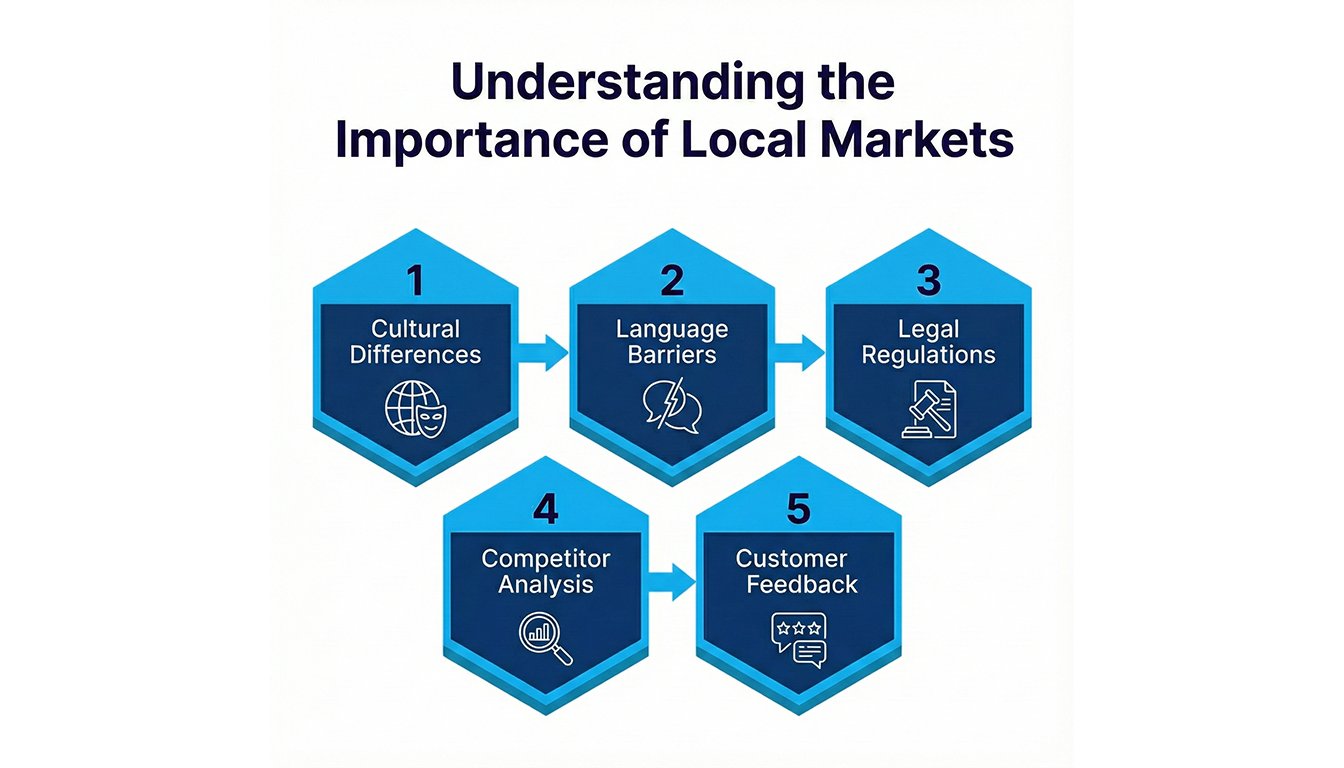
1. Reach
Are people even finding your product in their own language? This shows up in places like app listings, search visibility, onboarding screens, and even basic compliance text.
2. Relevance
Does the experience feel natural when someone local uses it? Small things like phrasing, examples, hints, or microcopy often decide whether a user keeps going or drops off.
3. Reliability
Can your teams trust the content that goes out every day? In regulated sectors, this matters even more. Partners such as Devnagri help by keeping wording consistent and traceable across teams.
4. ROI
Is the language work actually moving the needle? Simple checks, A/B tests, engagement changes, and funnel data—tell you whether local users are responding.
Opportunities & Risks for CXOs
Opportunities
- Untapped regional markets unlocked by language precision.
- Operational efficiency in customer support and onboarding.
- Lower compliance risk through audit-ready translation governance.
- More inclusive customer journeys (a major brand differentiator in 2026).
Risks
- Inconsistency across languages harming trust.
- Regulatory exposure when translations differ from source policy.
- Technical debt produced by different ways of working with partners and vendors.
- Missed growth because search discoverability collapses in non-English markets.
Leaders are pulling ahead because they take these risks seriously.
Strategic Recommendations for CXO Decision-Makers
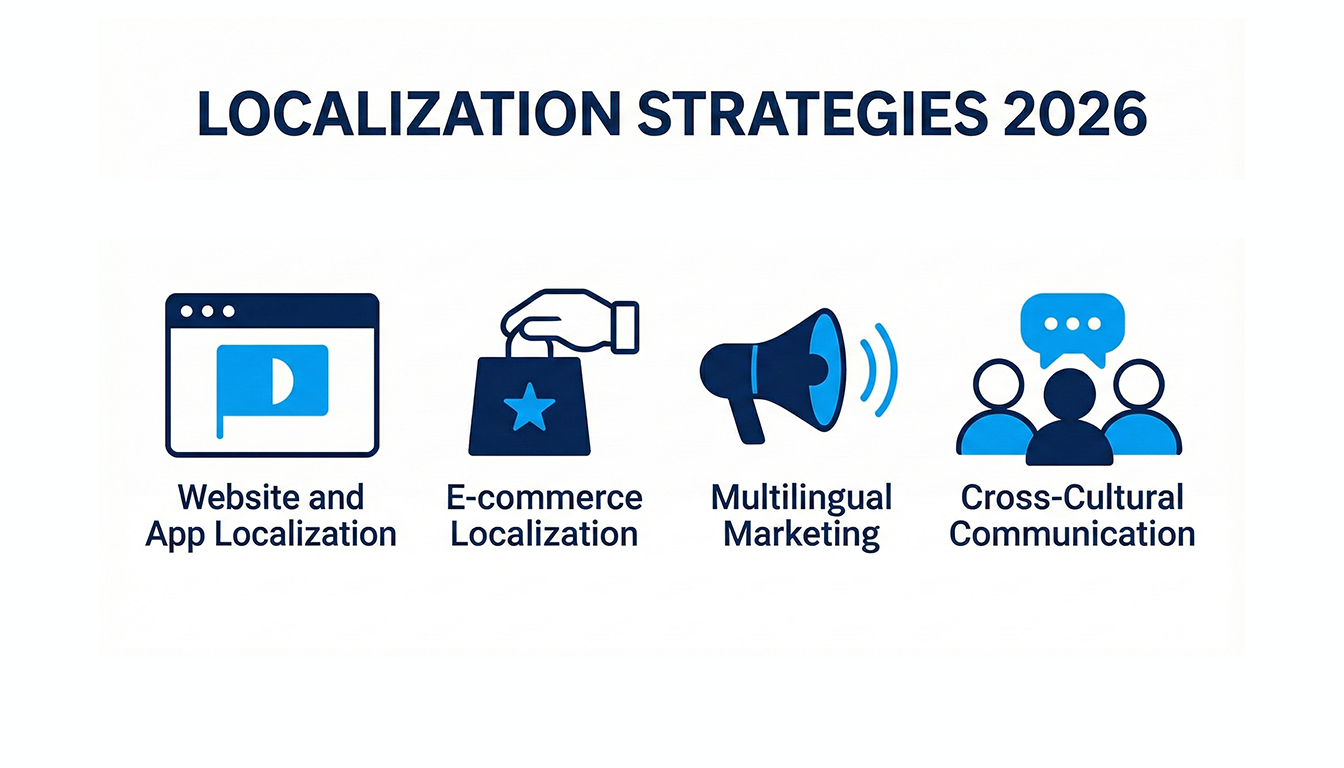
1. Put a small team in charge of localization – Instead of everyone assuming someone else will handle it, create a group with people from product, compliance, CX, and regional teams. When the responsibility is clear, things actually move.
2. Add an AI layer that quietly handles the language workload – Think of it as a support system, translation models, quality checks, and simple automation that keep content fresh. Partners like Devnagri can help Indian companies get there faster without a heavy lift.
3. Don't stop at "accurate." Make sure the experience actually feels right – A sentence can be correct and still feel off. What matters is whether the user feels like the product speaks their way. QA should look at the whole experience, not just the grammar.
4. Treat multilingual SEO as a growth habit, not a side task – People are searching across multiple languages more than ever. If your brand is easy to find in those languages, you gain an early advantage that grows over time.
5. Link localization to the metrics that already matter – Link it to conversion, reduce support loads, and clean up compliance cycles. When CEOs recognize that language work is behind these numbers, it becomes a top corporate focus.
Conclusion
Localization is no longer a backstage function. In 2026, it's the operating system behind global growth.
Companies that build scalable, AI-powered, culturally intelligent localization frameworks will define the next decade of digital expansion. Those that delay will simply expand more slowly, or not at all.
FAQs
1. What does "localization" mean?
Localization is the process of making something appear as if it were developed for people in a specific area. It's not simply translating lines; it's about picking terms, examples, and references that make sense to them so that nothing seems strange or out of place.
2. What is localization, and can you give an example?
Think of it this way: localization is about giving people an experience that feels familiar. For example, if a banking app rewrites its help section in Assamese, and uses the kind of terms people hear at local branches, the whole thing becomes much easier to understand. That's what localization does.
3. How does localization connect to global trends?
More people around the world expect apps and websites to speak the way they do. Because of that, companies are realising that adapting their content for each region helps them build trust and grow faster. It's becoming a normal part of how businesses expand into new markets.