Language is not just a communication tool, it shapes how people see, trust, and respond to a brand. Across India, many companies still treat English as the only serious language for business. That may have worked years ago, but today it quietly drains potential revenue. People are online everywhere, but they are not all comfortable in English, and that difference changes everything.
A Missed Opportunity That Keeps Growing
Every business wants reach, but reach without understanding does not convert. A study by CSA Research found that 76 percent of consumers prefer buying from websites that speak their language (Source). That number alone should make companies pause.
In India, less than 10 percent of the population is fluent in English, as noted in a KPMG-Google report (Source). This means about nine out of ten people find it easier to browse, read, or transact in a regional language. When a business relies only on English, it ends up ignoring a huge portion of its own audience. It is like speaking in a packed room where most people cannot follow the conversation.
Why Local Languages Build Trust?
Comfort is where trust grows. People feel more at ease when they open a website or app and see that the material is in a language they use every day. It shows them that the business knows what they're going through.
For example, English to Telugu Translation , A lot of Telugu-speaking people in Andhra Pradesh or Telangana feel more comfortable using an app or e-commerce site when the menus, help sections, and instructions are all in Telugu. That little modification usually makes people more interested and less likely to leave.

Research from Bain & Company found that regional language content can drive up to three times more engagement compared with English-only platforms. The reason is simple: language shapes trust, and trust drives action.
How India's Internet Is Changing
India's internet story is no longer written in English. Over the next few years, regional language users will far outnumber English speakers online. Google and KPMG project that by 2026, Indian-language internet users will reach 536 million, while English users will stay below 200 million. Telugu and Tamil are among the fastest-growing languages online.
People from smaller towns are using smartphones for everything, shopping, learning, paying bills, or accessing healthcare. They do not reject digital services; they just want them in a familiar language. When brands don't pay attention to that, they cause problems that slow down growth.
What does translation technology do?
Ten years ago, translating stuff for a global audience was a real pain & expensive. Nowadays, you can get your websites, apps, and documents, bang, translated instantly using some of these modern machine translation APIs. The more you use 'em the smarter they get, thanks to machine learning & all that, and it starts to sound more & more like the locals doing the talking.
This makes all the difference for businesses looking to grow. You can do it all in one go with these integrations, so you knock out English to Telugu Translation, Hindi, and Marathi on pretty much any digital media you like. It adds up to saving cash, reducing the manual workload & letting teams concentrate on actually making things better rather than getting bogged down with all the language stuff.
Translation APIs do more than auto-replace words,either, amongst other things they let brands reach loads more people while still being true to their culture, and that usually that's what sets you apart in a competitive market, a genuine connection with the people you are selling to.
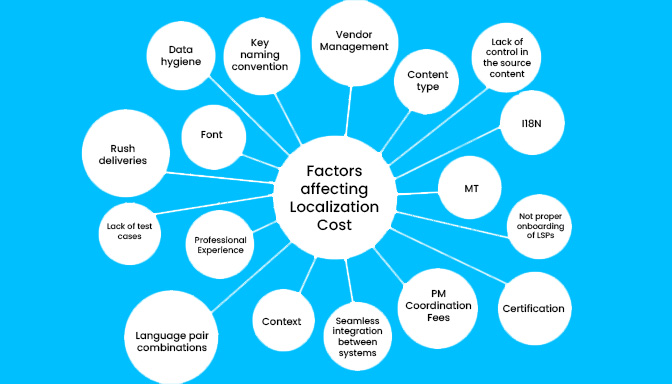
The Cost of Not Paying Attention to Localization
A lot of people who make decisions still don't realize how much money is wasted when users leave because they don't understand the language. According to Common Sense Advisory, 40 % of people won't buy from websites that aren't in their native language.
Think about how much money you would spend on marketing just to lose almost half of the people who could buy from you because they don't speak the same language. That's exactly what occurs when you don't think localization is important. A number of well-known firms throughout the world had this problem when they first started doing business in India. Once they added regional languages, engagement and retention rates went up in all states.
It reminds us that talking is not the only part of communication; understanding is also important.
Examples from the Market
A lot of Indian entrepreneurs learnt early on that people interact better when they speak their native language. When they added interfaces in local languages, apps for food delivery, finance, and e-commerce all grew quickly. In one study, the number of daily active users almost doubled in states that included regional language options.
Customers are less likely to hesitate when they can read the processes for making a payment or the contents of a policy in their own language. That simplicity leads to speedier transactions and more loyal customers. These are not trivial changes; they decide whether a product becomes a habit or stays an experiment.
Why do having a lot of languages make business stronger?
More than just translation, localization is. It is a plan that makes everyone feel welcome. Companies that spend money on multilingual communication usually get Easier access to new client groups and markets in other areas.
- People stay longer when they feel valued.
- People can understand the material without getting confused, therefore, there are fewer calls for help.
- People are less afraid when language is clear, which leads to greater conversions.
- Talking to someone in person makes them loyal, no matter what they do for a living.
A Future Built on Relationships
The move toward digital ecosystems that support multiple languages is going to stay. It's simpler to get and keep users when businesses change quickly. You can talk to people in other languages without losing the meaning of what you're saying utilizing machine translation APIs.
For example, English to Telugu Translation can help a platform access millions of new people who are just starting to use the internet for business.
As translation technology keeps improving, the cost of staying monolingual will only rise.
It is not just about speaking a different language. It is about showing respect for how people live and think. In many ways, language is the shortest route to trust, and trust, as every business leader knows, converts faster than any ad campaign.
Closing Thoughts
Revenue loss caused by language neglect is not abstract; it happens quietly, every day. Each time a potential customer struggles to understand a message, that is a lost sale. The good news is that technology now makes inclusion easier than ever.
Companies that embrace localization early will have a head start as digital India grows more regional. Speaking to people in their language is no longer optional; it is good business sense.
In the end, the most successful brands will be the ones that listen , and respond , in the language their customers call their own.
FAQs
Q: Why is language important in business?
A: Words make the world go round, especially in business. One wrong word can confuse a team. One right word can build trust. It's not just talking; it's connecting. Explaining ideas clearly, listening carefully, making sure everyone's on the same page, that's where language really matters.
Q: Why use the local language?
A: People like to be understood. That's why the local language works. It's familiar, it's comfortable. Customers feel a little closer to you when you speak their language. Even small touches, like a greeting or a simple phrase, can make a huge difference.
Q: Which language is the most important in business?
A: There's no single answer. English is common in global markets. But the "right" language? That's the one your audience actually uses. It could be Mandarin, Spanish, Hindi, or even a local dialect. Speak the language people know, and doors start opening.
Q: Why is a local business important?
A:Local businesses are the heart of communities. They give jobs, understand local needs, and adapt quickly. They keep neighborhoods unique. Supporting them doesn't just help you. It helps the people around you. It keeps the community alive.