Get Summary




If you've called a bank, a telecom company, or even a healthcare provider recently, you've likely noticed something subtle, but important conversations are starting to feel less mechanical.
You're no longer pressing "1 for English, 2 for Hindi."
You're simply speaking.
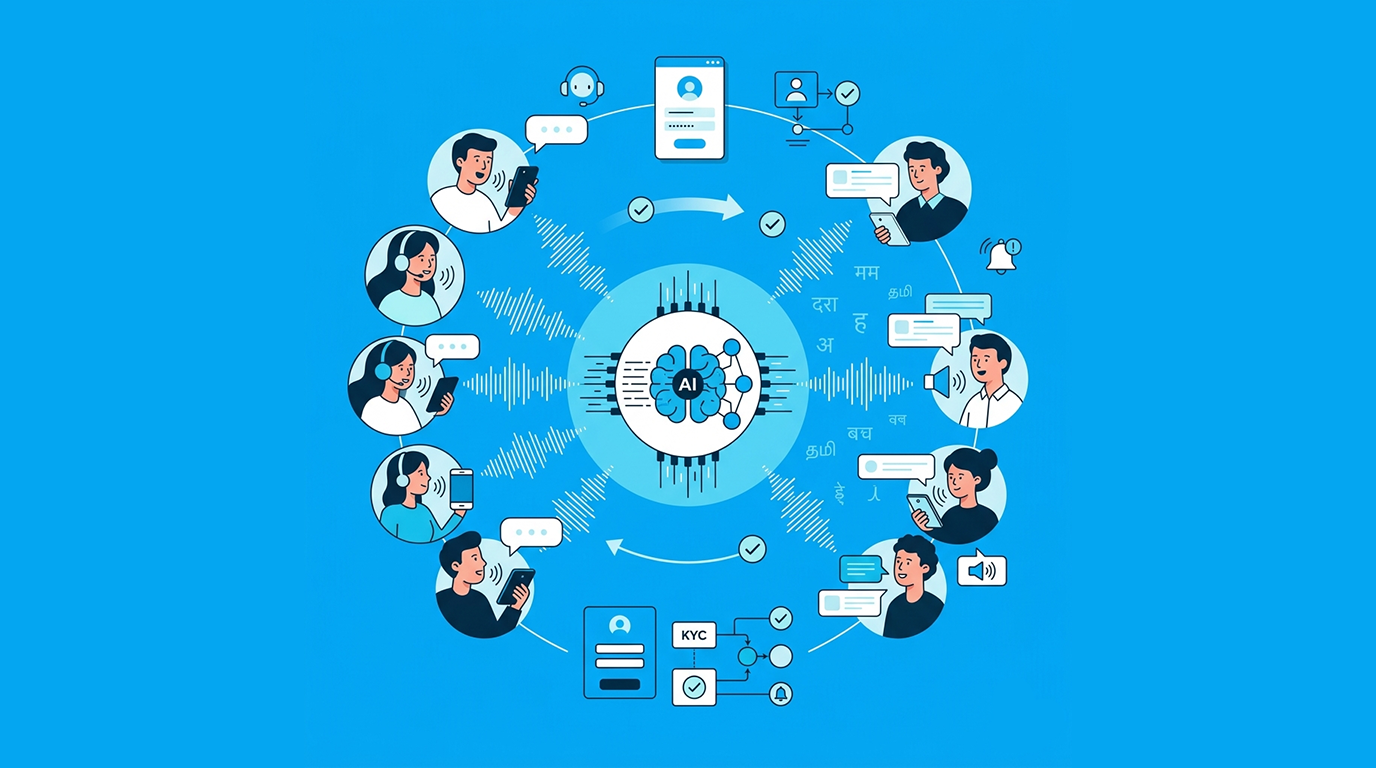
That shift captures what conversational AI voice bots really are. They are not just an upgrade to IVR systems. They represent a deeper change in how businesses communicate, moving from scripted interactions to something that feels closer to a real conversation.
For most organizations today, the question isn't whether voice automation will play a role. It's how quickly they can adopt it without compromising customer experience.
What is a Voice Bot?
At its simplest, a conversational AI voice bot is a system that can listen to what a person says, understand what they mean, and respond in a way that feels natural.
But that simple answer doesn't show the actual value.
A speech bot that is well-made doesn't merely answer questions; it also makes choices. It knows what's going on, changes to fit the user's needs, and keeps conversations going without making users follow strict rules.
This is what separates it from traditional IVR systems. IVRs guide users through menus. Voice bots meet users where they are, in their own words.
That difference sounds small on paper, but in practice, it changes everything about the customer experience.
Why is Voice support important?
For a while, the industry believed chat would dominate everything. Apps, messaging, chatbots , those were the center of digital transformation.
But something didn't quite change: people still prefer talking when the issue matters.
A billing dispute. A missed delivery. A loan query. These are not moments where customers want to type.
They want clarity, speed, and reassurance, and voice delivers that better than any interface.
According to McKinsey, companies that get customer experience right can see up to twice the revenue growth of their peers (Source). The interesting part is not just the statistic, it's what drives it. Better conversations.
Voice bots are becoming central to that shift, especially in high-volume environments like call centers, BFSI, and telecom.
How does a conversational voice bot work?
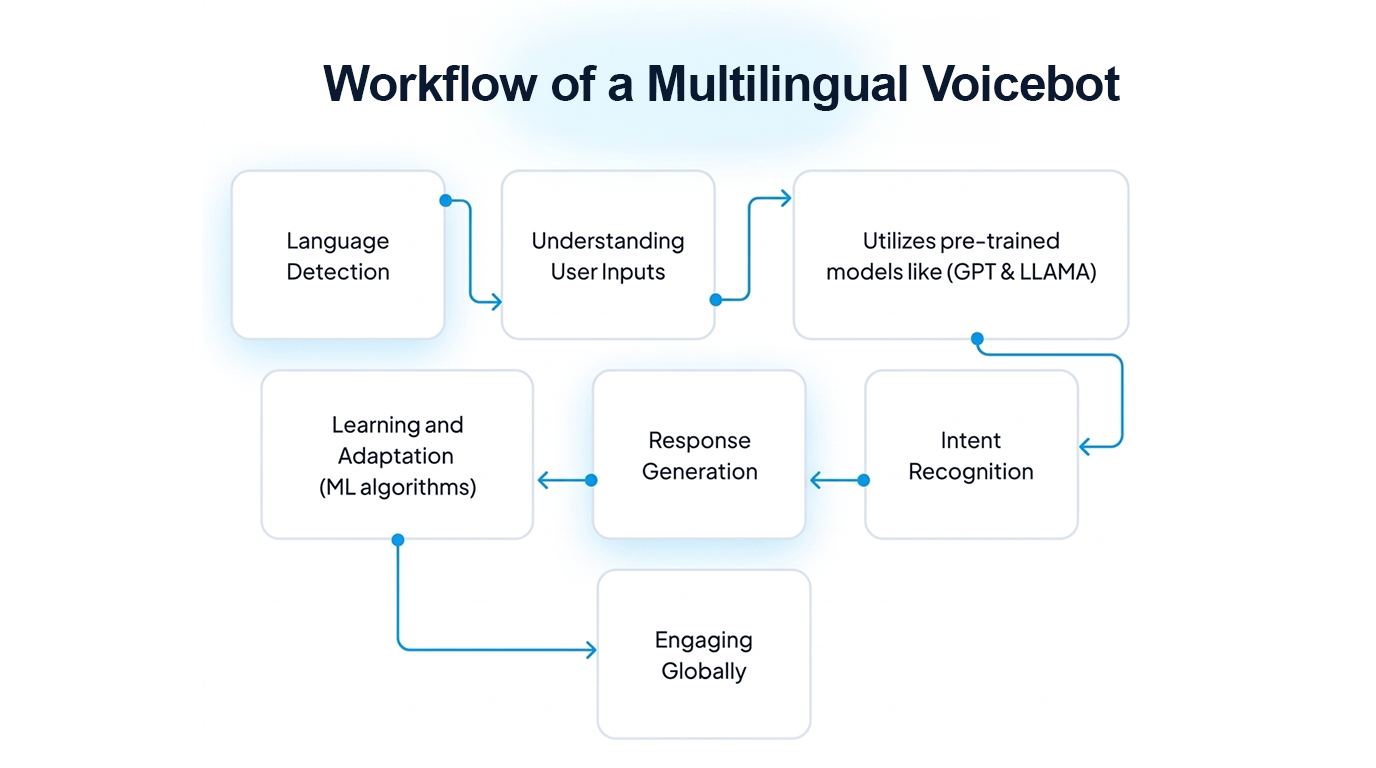
In India, this process is rarely clean. People switch between Hindi and English mid-sentence. Accents vary. Background noise is common.
That's why generic systems often fall short, and why locally trained voice bots tend to perform much better. Let's break it down step by step:
1. It starts by listening
At its core, a voice bot begins like any good conversation. It listens. Not perfectly, but well enough to catch what the person is saying and turn it into text.
2. It tries to understand intent
This is where things get interesting. The bot isn't just reading words, it's trying to understand what the person actually means. And honestly, that's not always straightforward.
3. It figures out the context
Meaning changes depending on the situation. If someone says, "I didn't receive it," the bot has to guess what "it" refers to. A delivery? A payment? A document? The better the bot, the better it handles this ambiguity.
4. It decides what makes sense next
Once it has a fair idea of the intent, it chooses the next step. Maybe it pulls up order details. Maybe it asks a follow-up question. Maybe it routes the call. It depends on the situation.
5. It responds like a conversation
Finally, it replies. Ideally, in a way that feels natural and easy to follow. Not robotic. Not scripted. Just simple and clear.
The Difference Between Voice Bots, Chatbots, and IVR
| Aspect | IVR (Interactive Voice Response) | Chatbot | Voice Bot |
|---|---|---|---|
| User Experience | Feels like a machine | Feels like a flexible form | Feels like a natural conversation |
| Interaction Style | Step-by-step instructions | Text-based interaction with some adaptability | Spoken, dynamic, human-like interaction |
| User Effort | High – must follow predefined paths | Moderate – can type queries but within limits | Low – can speak naturally |
| Flexibility | Very limited | Some flexibility | Highly flexible |
| Emotional Connection | None | Minimal | Stronger, more human-like |
| Customer Perception | Rigid and impersonal | Functional but not engaging | Natural and engaging |
| Impact on Satisfaction | Often frustrating | Acceptable | Typically improves satisfaction significantly |
| Core Distinction | Instruction-driven system | Semi-interactive interface | Experience-driven conversation |
43% of customers are already excited about AI-powered service experiences. Gartner has noted that a growing share of organizations are shifting toward conversational interfaces as primary service channels (Source). The direction is clear, even if adoption is uneven.
What are the uses of voice bots in customer support?
Voice bots are no longer limited to basic automation—they handle everything from routing and FAQs to transactions, multilingual support, and proactive outreach, making customer support faster, more scalable, and significantly more accessible.
Explore the top 10 use cases of multilingual conversational AI voice bots below.
1. Call Routing Without Menus
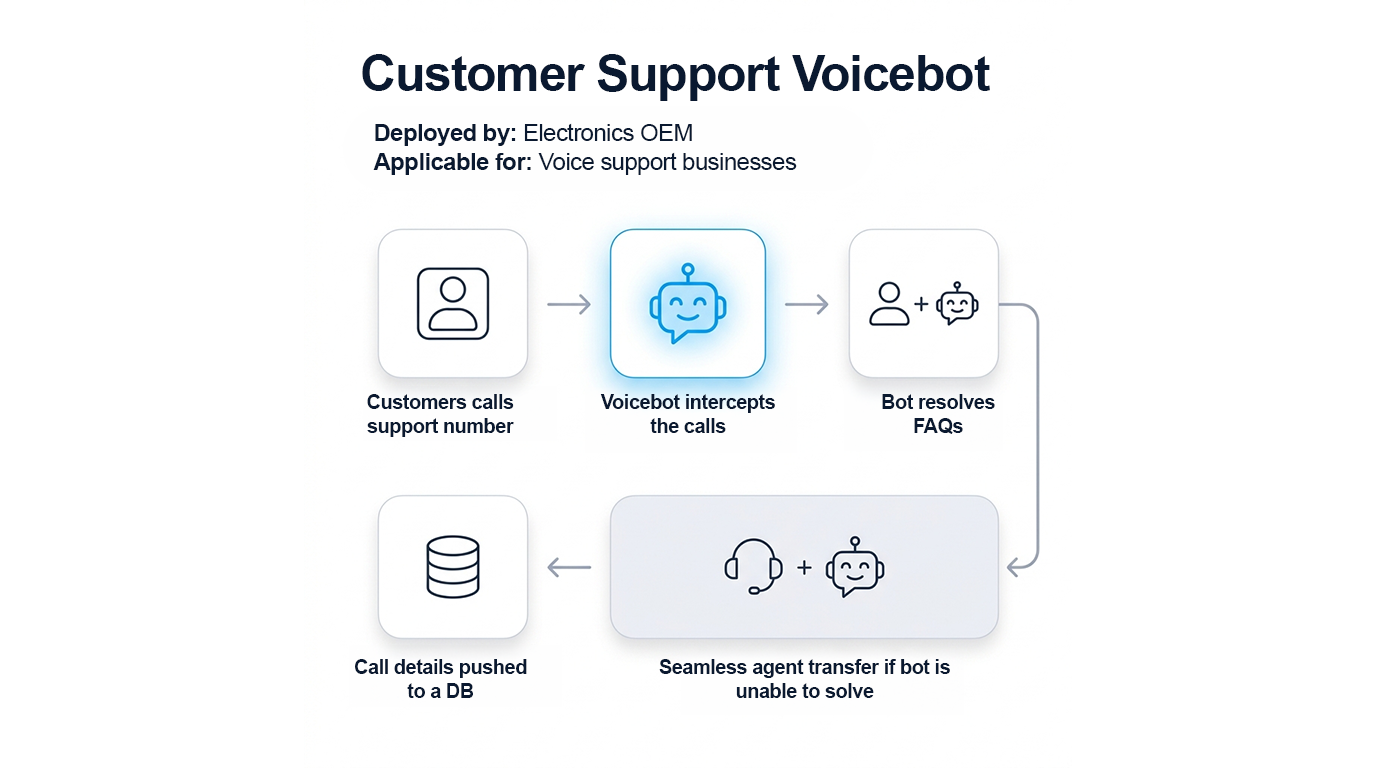
Customers don't have to press numbers in an IVR. The conversation immediately starts with the call. The smart conversational AI voice bot is powered by the intent analysis feature where the bot will not only answer but empathize with the customer to ensure the best resolution and retention at the core.
2. Handling High-Volume FAQs
Voice bots can answer the same questions repeatedly without instruction. It can answer questions like "Where is my order?" "When will my order get here?" "What is your policy on refunds?" "How much money do I have in my account?" and so on. This makes things a lot easier for agents.
3. Order Tracking & Status Updates
Customers can receive updates right away by calling, without having to wait for an agent. "Where is my order?" Here, it should send the current status along with the expected delivery date.
4. Appointment Booking & Rescheduling
People can easily make, change, or cancel appointments only by talking to the smart speech bot. This feature is helpful in many fields, such as healthcare, banking, communications, salons, and logistics.
5. Payment Reminders & Collections
Automated outbound calls remind customers about overdue payments. It helps with consistent follow-ups for payments like EMI, etc., which leads to higher collection rates because of continuous reminders. Also reducing the manual effort because follow-ups are very complicated.
6. Multilingual Customer Support
An AI voice bot for customer support is powered by language AI trained on various languages and dialects, enabling it to communicate flawlessly with customers in multilingual regions. So your bot will handle the customer without requiring a switch from one agent to another for different languages.
7. Complaint Registration & Ticket Creation
Customers can yell about their problems, and the system will issue a ticket for them. It helps you stay on top of issues and organize your data.
8. Lead Qualification & Follow-ups
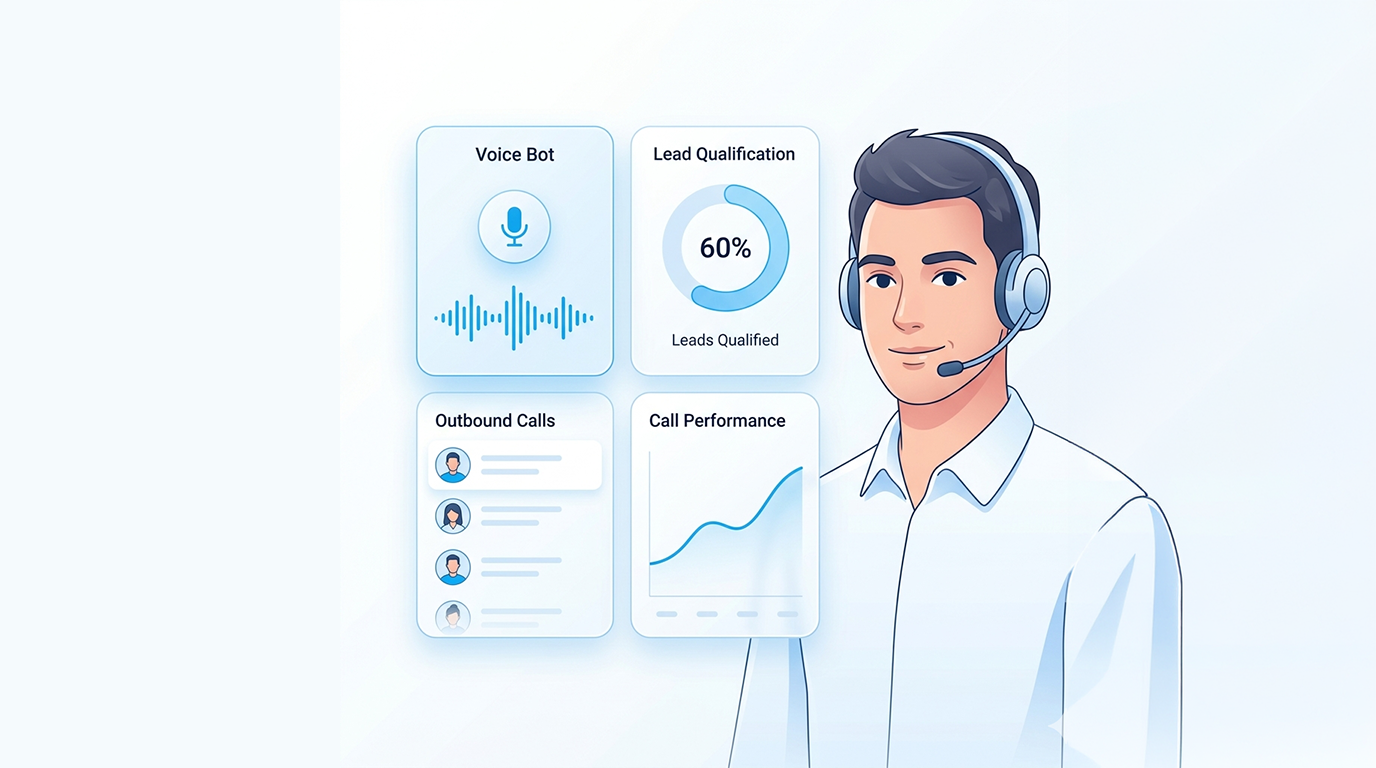
Voice bots can do the first qualification and then send leads to sales teams. For example, budget check, requirement capture and timeline validation.
9. After-Hours & Overflow Support
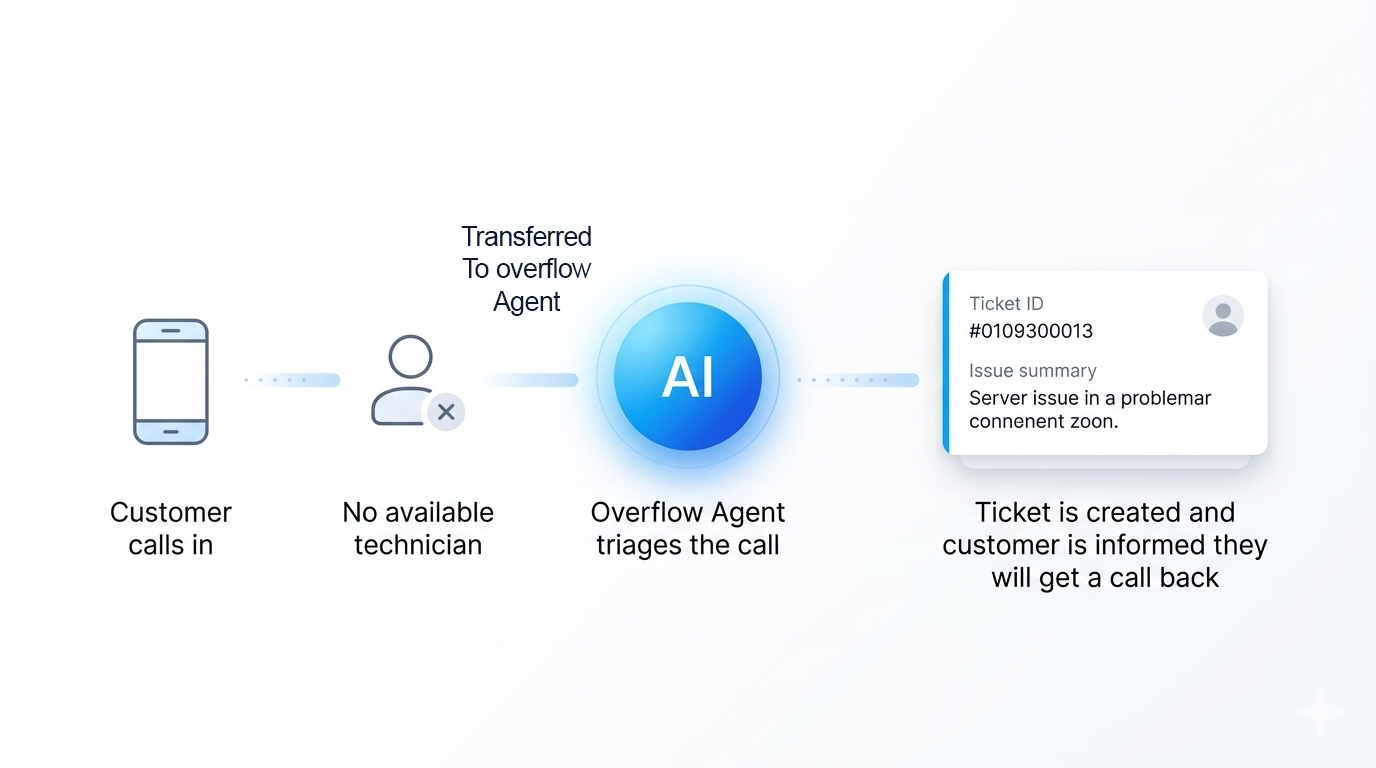
Voice bots make sure that clients always have help, even when the office is closed. So that there will be no missed calls. Leading to better customer experience and reduced backlog.
10. Feedback Collection & Surveys
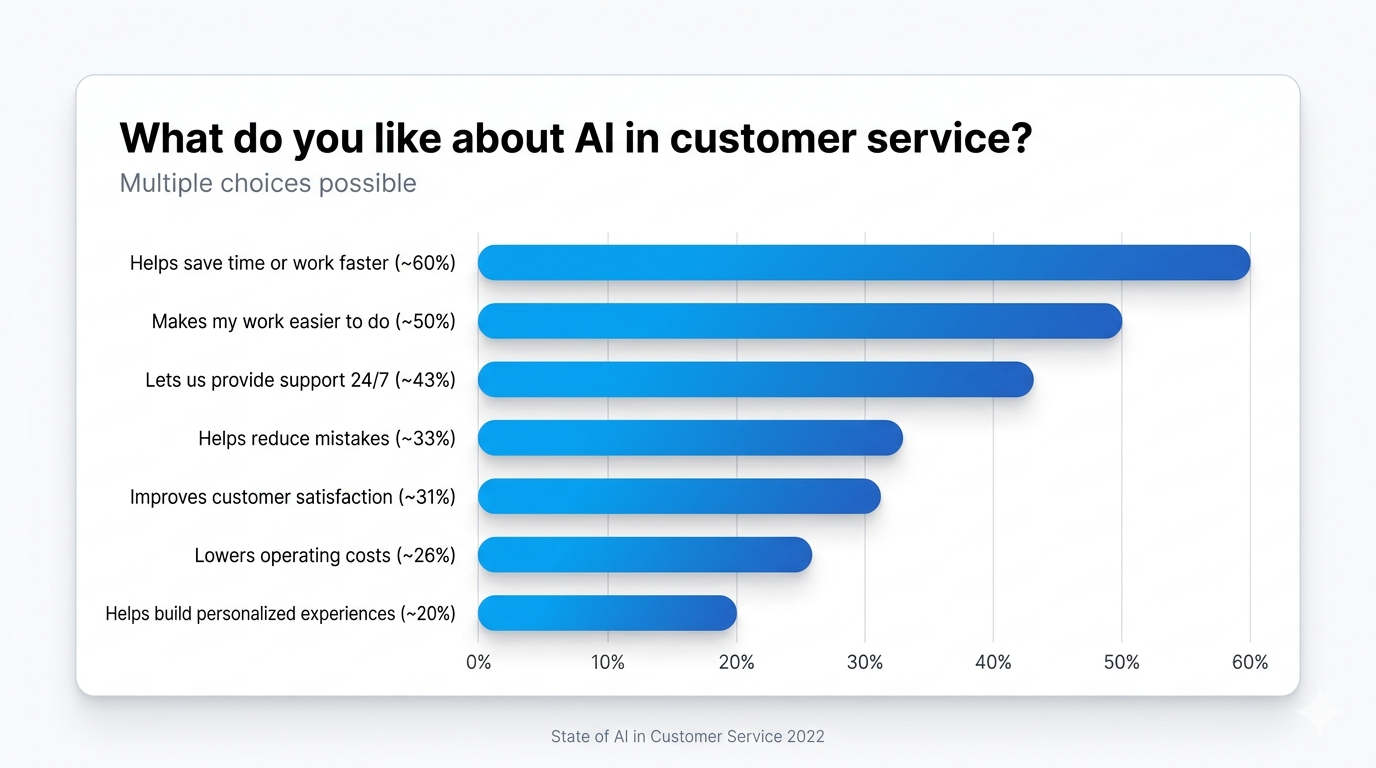
After a chat, automated callers can get structured feedback. For example, NPS surveys to make customer service and internal support better.
Checking the quality of service helps detect changes and trends in customers. Getting feedback on products is vital for increasing sales.
Benefits of using a voice bot
Voice bots do more than just automate things. When done well, they aid both sides without making a big deal out of it. Customers get service faster, and staff have more time to breathe. Here are the five best things about using multilingual conversational AI voice bots.
1. It makes support feel faster
Speed is the most important thing for users. You don't have to stand in line for a long time or push many buttons. You just say what you want and move on.
2. Stress off of support personnel
This is a giant relief for companies. Voice bots can answer the same queries all day without becoming exhausted. This frees up human agents to work on more difficult issues.
3. It works round the clock
Customers aren't really concerned about hours of operation anymore. A voice bot is always there, even at night or during busy times.
4. It feels more natural than traditional systems
It seems easier to converse than to use IVR menus. A conversation is still more comfortable than having to choose between strict options, even if it's not perfect.
5. It scales without much effort
Handling 100 calls or 10,000 calls doesn't change much for a voice bot. That kind of flexibility is difficult to achieve with only human teams.
How to implement a voice bot into existing systems?
You don't have to rip and replace your existing setup to start using voice bots—they aren't meant to replace it entirely; they're actually designed to work hand in hand with what you already have, like an IVR system, a Communication Platform as a Service (CPaaS) or a Contact Center as a Service (CCaaS) platform, or even your other support tools.
The aim is to elevate your comms without having to mess with what works already.
1. Start with the basics
First off, let's start with a fairly straightforward example of how this can be put into use—perhaps setting up a clear first point of contact between you and your customers or in an effort to cut down on the number of support requests you're getting. You can test the rollout without worrying it's going to cause major upheaval.
2. Get the bot talking to the real deal
To be useful, a speech bot must access the information it receives. The key to its effectiveness is integrating it with your CRM, ticketing system, or whatever other backend tools hold the customer data—the stuff that makes the speech bot sound like it's just been fed a generic script. Without that hookup, all you get is a bunch of limited-sounding generic responses.
3. Give it a human voice
To ensure the bot sounds like a person you'd genuinely want to converse with, it's essential to train it using traditional methods—by having it listen to actual customer calls, chat logs, and support tickets from the past. This is what gives the conversation the authentic feel that people seek.
4. Deploy within your communication flow and improve
Once it's ready, add the bot to your current process, like in your call center or contact center. Start with a small rollout, watch how it works, then make improvements over time.
Conclusion
The shift toward conversational AI voice bots is not about technology catching up. It's about expectations changing.
Customers don't want faster systems. They want clearer, simpler, more human interactions. Voice bots, when designed thoughtfully, move businesses in that direction. Not by replacing people, but by getting rid of the things that make it hard to have actual interactions.
And that, more than anything else, is where their real value lies.